FIELD NOTES
Ice Fishing With a Camera in Finland, Sweden, and Estonia
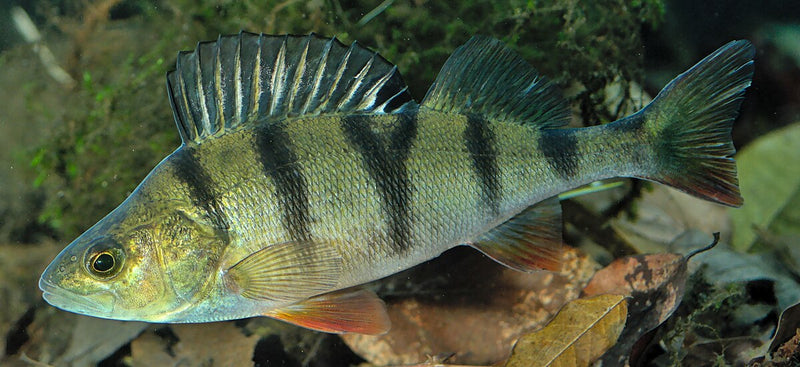
It's late February on a lake north of Tampere. The ice is 55cm thick, the air is -12°C, and you've drilled three holes in a triangle over a 6-metre weedbed that held perch last winter. You lower a camera through the first hole. The screen above glows pale green — not because the LEDs are on, but because that's what under-ice light looks like at noon in Finland. Thirty seconds later, a striped perch drifts into frame, stops, turns side-on to the lens, and stares. It doesn't bite. It just looks.
That's the ice-fishing reality a camera gives you. Not a fish-catching machine. A fish-watching machine. And in Northern Europe — where the hard-water season runs from roughly mid-December through April — what the fish are doing under 40–70cm of ice is usually very different from what the guidebooks say.
Why Northern Europe is the best ice-camera market in the world
Three things make Finland, Sweden, Estonia (and to a lesser extent Latvia, Lithuania, and parts of Norway) exceptional for underwater cameras during the cold months:
- Clear water under the ice. The ice cap kills surface chop and algae. Visibility typically opens up to 2–6 metres in most lakes, sometimes more in deep Finnish lakes like Saimaa or Inari. Summer turbidity is gone.
- Slow-moving, curious fish. Metabolism drops in cold water. Perch, pike, zander, and burbot all move less but are far more willing to inspect baits, lures, and — yes — cameras.
- A fixed hole means a fixed camera. No drift, no boat wake, no current in most lakes. You lower once, it sits, you watch.
Compare that with a shore angler on a turbid Dutch canal in August, where the same camera might give you 40cm of murky visibility. Ice fishing in the North is where this gear class genuinely earns its keep.
What changes at -10°C (honestly)
The cold does real things to the hardware. If you've read spec sheets online, here's what actually happens in the field.
Battery life drops
A camera rated for around 138 minutes in lab conditions will give you noticeably less on the ice. In our own testing at -8°C to -15°C ambient (water under the ice is usually a stable +2 to +4°C), expect roughly 90–110 minutes of usable recording before the lithium cell sags. The water is warmer than the air, so cameras that live submerged fare better than ones left sitting on the ice between drops.
Practical rule: keep the camera in an inside jacket pocket until you're ready to drop it. Cold-soaked batteries lose noticeable run-time before they even touch water.
Condensation on housings
Moving a camera from -15°C air into +3°C water and back is a recipe for lens fog. Not on the outside — the outer lens stays clear because it's warmer than the air. The risk is internal condensation if the housing isn't sealed properly, or if you've opened the battery door with warm moist hands before deployment.
Practical rule: seal the unit indoors the night before. Don't open the battery compartment outside. Wipe the lens with a microfibre (not your glove) before each drop.
Cables and tethers get stiff
The CanFish CamX is a wireless unit — there's no cable to stiffen up, which is a genuine advantage compared to older tethered camera systems common on the Nordic market. The camera records internally and syncs via WiFi when you pull it back above the ice. That matters in winter because tethered cables at -15°C become unmanageable — they kink, they freeze to the ice edge, they snag on the hole rim.
"I spent five winters in Sweden with a cabled camera. Every season I spent more time untangling the cord than watching fish. A wireless unit that records and plays back later is the right tool for ice — full stop." — Feedback from a customer in Piteå, December 2025
Species-by-species: what you'll actually see under the ice
Perch (Perca fluviatilis)
The bread-and-butter ice species across Finland, Sweden, Estonia, and the Baltic states. Schools hold over weed-to-sand edges in 3–7 metres through most of winter. On camera:
- They'll approach a bait, circle it 2–3 times, and often refuse it if it's moving wrong.
- Bigger perch (300g+) sit deeper and lower in the school — you'll see them below the pack.
- In mid-winter they're slow. A bait that drops fast and stops dead gets more looks than aggressive jigging.
Zander / Pike-perch (Sander lucioperca)
Zander is the reason many Baltic and Estonian ice anglers bought a camera in the first place. They hunt low-light windows — first hour after dawn, last hour before dusk — and on camera you can see exactly when the window opens. You'll watch the lake go from empty screen to three fish cruising past the lens in the space of 20 minutes, and then empty again.
Pike (Esox lucius)
Ice pike are ambush feeders, often suspended near structure at 2–4m. A camera positioned alongside a tip-up rig teaches you how long a pike will sit and stare at a dead roach before committing — sometimes two minutes, sometimes twenty.
Burbot (Lota lota)
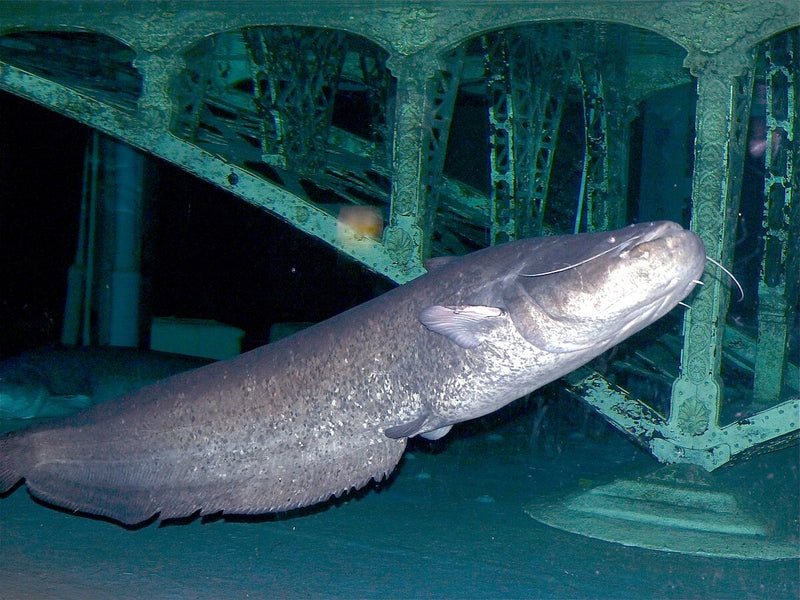
The underrated Northern European species. Burbot are bottom-dwelling, nocturnal, and almost invisible to conventional ice tactics. A camera with LEDs (the CamX has two green 0.5W LEDs) shows you whether they're present at all — which, on most Finnish and Swedish lakes, they are, especially in January–February when they spawn.
Visibility by water type: what to expect
| Water | Typical ice viz | Camera usefulness |
|---|---|---|
| Finnish deep lakes (Saimaa, Inari) | 4-8m | Excellent |
| Swedish inland lakes (Vänern, Vättern) | 3-6m | Very good |
| Estonian shallow lakes (Peipsi, Võrtsjärv) | 1.5-3m | Good in clear zones |
| Baltic coastal ice (Gulf of Finland, Riga bay) | 2-4m | Good, watch for algae |
| Northern Norway fjord ice | 5-10m | Excellent, deep-capable |
| Bog-stained forest lakes | 0.5-1.5m | Limited — tannic water |
If your home water is tannic (tea-coloured, common in Sweden's inland bog lakes and parts of Karelia), a camera is going to struggle in winter just as it does in summer. The LED array helps at very short range — maybe 30–50cm — but you're not going to see a fish ten metres away.
A practical winter setup: one hole, two rods, one camera
The most productive ice setup I've seen used by Finnish, Swedish, and Estonian anglers combines:
- Hole one: Jigging rod with small pilkki / mormyshka.
- Hole two: 50–80cm away. Dead-bait rod on tip-up (for pike and zander).
- Hole three: Camera deployment. Lower the camera to the same depth as your bait on hole two. You're now watching your dead bait and can see fish approach.
The camera isn't a luring device. It's a diagnostic tool. When a pike appears on screen, you know. When nothing has appeared in 40 minutes, you also know — and it's time to move.
The honest truth is that a camera shortens your learning curve dramatically. A beginner who fishes the same lake three winters with a camera learns what a veteran learns in ten without one. That's the real value.
What a camera won't fix on hard water
Let's be honest. A camera won't:
- Make fish bite. They'll still ignore your presentation.
- Replace a sonar for finding fish across a large area. It's a spot tool, not a search tool.
- Work in tannic or bog water past its LED range.
- Run all day at -20°C. Bring a spare battery or plan shorter deployments.
- Survive being stepped on, dropped from a great height, or fished without checking the battery door seal first.
But it will teach you more about your home lake in one winter than most anglers learn in a decade.
Regional buying note from Riga
Fisho ships the CanFish CamX from our Riga warehouse across the EU via Omniva and DPD. For customers in Finland, Sweden, and Estonia, delivery typically lands in 3–5 working days — fast enough to have it before first ice if you order in November. Baltic customers often see it next-day. VAT is included in the listed price; there are no customs surprises for EU buyers.
Ice season in Northern Europe is short enough that hardware timing matters. If you're planning to try a camera this winter, order before Christmas. The first clear January morning on a frozen Finnish lake, 60cm of ice between you and an unseen perch — that's when it starts making sense.